Home > Investment Projects > Mercury Drone Ports

Mercury Drone Port

Scotland’s first drone port, The Mercury Drone Port is a £1 million project within the Tay Cities Region Deal Angus Fund.

The drone port will be strategically located in Montrose, close to the North Sea offshore wind assets and the offshore wind Operations and Maintenance bases.

Current status: This project has an approved Business Justification Case and is now in delivery phase.

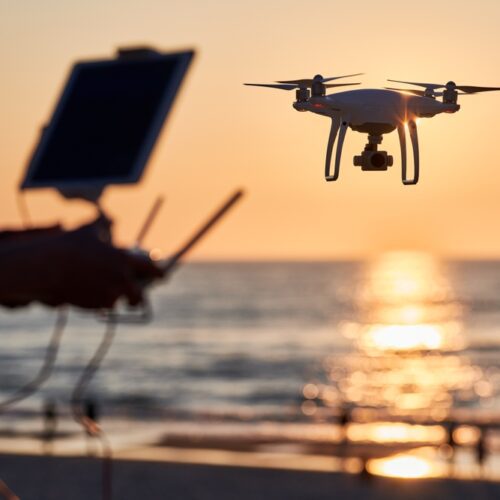
Drone flying above the sea Invest in Angus Circle

A First‑of‑Its‑Kind Project for Scotland and the UK

Mercury Drone Ports will create the UK’s first regional‑scale unified airspace for Beyond Visual Line of Sight (BVLOS) drone operations, positioning Angus as a national leader in drone innovation.

The project provides a foundation from which use case trials can be undertaken to develop BVLOS flights in unsegregated airspace.

The vision is to create a world leading regional-scale drone trials facility that will attract innovating organisations to spend and invest in Angus whilst supporting the Regulator and industry in the development of Beyond Visual Line of Sight drone flight.

Drone

The Mercury Drone Port will:

Position Angus as the home of the UK’s first drone port
Deliver £22m in economic savings to industry
Save over 2,100 tonnes of CO₂ over the lifespan of the project
Support high‑skill, high‑wage job growth
Position Angus as a leader in clean, innovative transport solutions
Inspire communities and young people through hands‑on drone technology

Direct Benefits for Angus’ Offshore Energy Economy

  • Angus sits beside one of Europe’s largest concentrations of offshore wind activity. Mercury Drone Ports enables drones to replace boats and helicopters for routine inspections and maintenance – improving safety, cutting emissions and lowering costs.
  • By enabling drones for offshore operations, the project delivers £22 million in economic efficiencies for windfarm operators over 10 years.
  • The availability of BVLOS airspace is expected to make Angus an even more attractive location for offshore investment.

Supporting High‑Value Jobs

  • Offshore wind already offers high‑value employment, with average salaries around £57,500, more than double the Angus average. The project supports creation/retention of 10 skilled O&M jobs per year linked to offshore activity.
  • By becoming a hub for drone innovation, Angus will attract drone technology companies, engineering specialists, software developers, and researchers – strengthening the local innovation ecosystem.

Major Carbon Reduction Contribution

  • Replacing diesel‑powered vessels and helicopters with electric drones will save over 2,128 tonnes of CO₂ during the project lifespan.
  • Each drone flight that replaces a boat trip avoids over 1 tonne of CO₂, supporting Angus Council’s commitment to clean growth and Scotland’s net‑zero ambitions.

Unlocking New Onshore Use‑Cases

While the initial focus is offshore, the unified airspace will also open opportunities for:

  • Rural medical deliveries.
  • Agricultural monitoring and crop management.
  • Infrastructure inspections (roads, rivers, bridges).
  • Emergency response support (search & rescue, post‑storm assessments).

How Businesses Can Get Involved

  • Angus Council will procure a specialist drone port operator to design, establish and operate the Mercury Drone Port under a concession contract.
  • The opportunity will be advertised on Public Contracts Scotland (PCS) in late summer 2026 as an open negotiated tender.  
  • Registration on PCS is free — businesses should ensure they are signed up so they receive automatic notifications when the Invitation to Tender (ITT) goes live.  
  • Make sure your organisation’s PCS profile is up to date, including the correct categories (e.g., aviation services, drone operations, digital infrastructure, R&D, technology services) to avoid missing alerts.  

Businesses can prepare in advance by considering how they could:  

  • Deliver or support airspace management and drone operations  
  • Provide hardware, software, or specialist technical services  
  • Offer community engagement, skills development, or innovation partnerships  
  • Collaborate with universities, colleges, or supply‑chain partners  
  • Contribute to clean growth and carbon‑reduction outcomes  

Supply‑chain companies can also get involved, as the appointed concessionaire may require partners in areas such as maintenance, training, digital systems, engineering, logistics, STEM outreach, and more.  

Keep an eye on Angus Council and Invest in Angus LinkedIn channels for updates on timelines, engagement events, and any pre‑market briefings leading up to the tender launch. 

Wind turbines